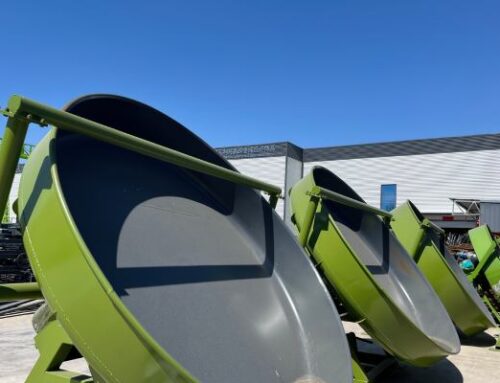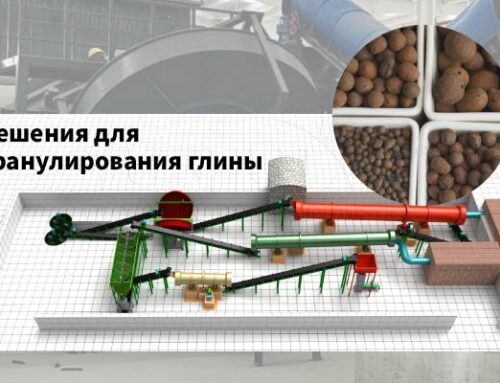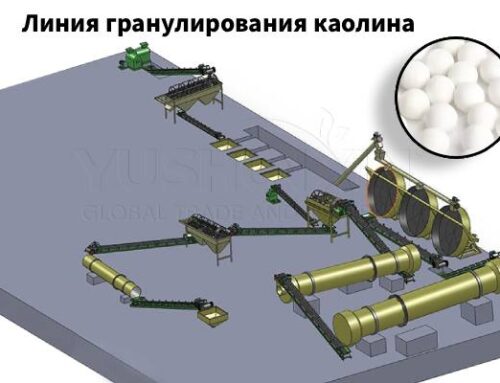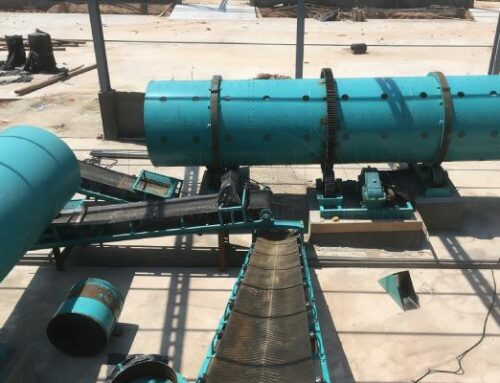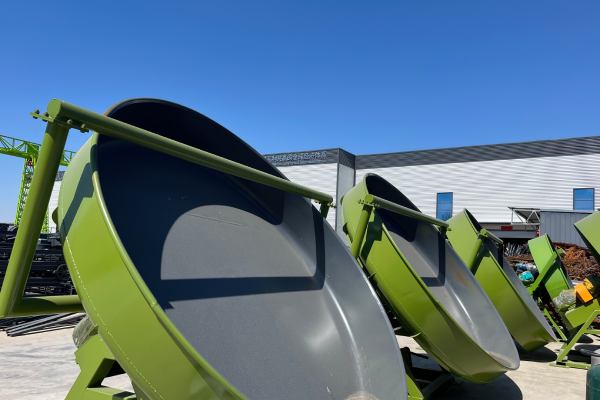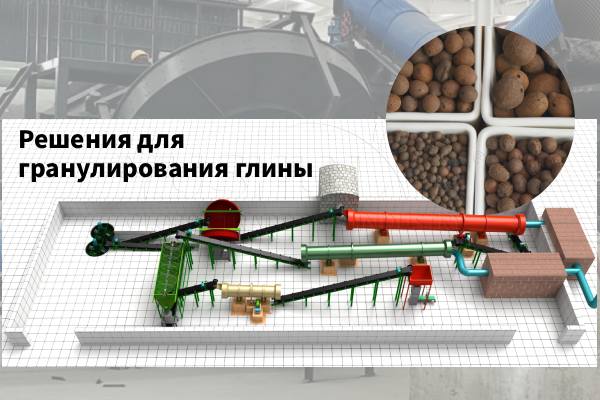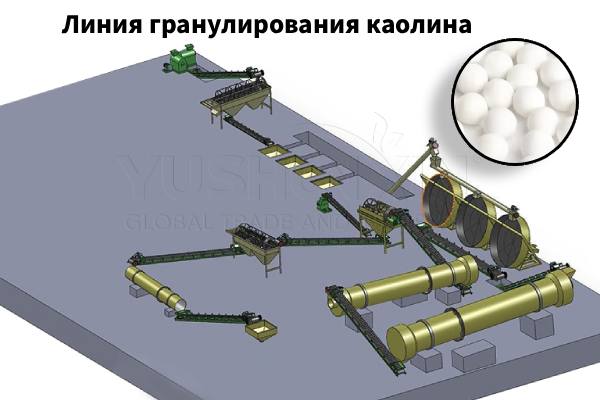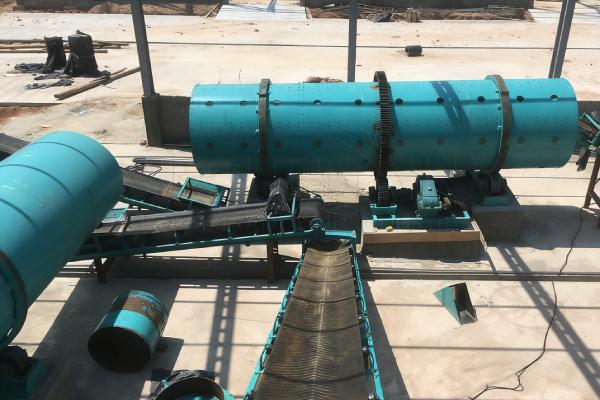

The Belarusian company plans to expand export supplies and asked for information about a stable granulation line with two rollers. The goal of the project is potash fertilizer production with an emphasis on controlled particle size and stable quality. Our team first confirmed the raw material requirements, packaging and logistics. We then refined the target power, permissible moisture content, as well as restrictions on dust and energy consumption. After this, both parties agreed on the configuration of the equipment and the plan for organizing installation at the site. This will ensure long-term stable performance and traceable quality management. If you have similar expansion or new build needs., Please, contact us for custom solutions and price quotes.
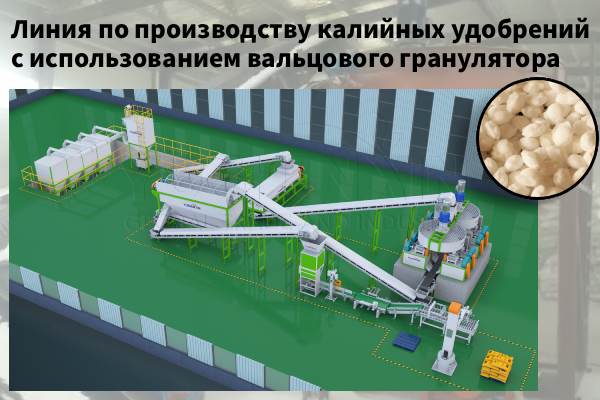
How a roller granulation line ensures production of potash fertilizers with the required fraction of 2–4 mm and stable export quality?
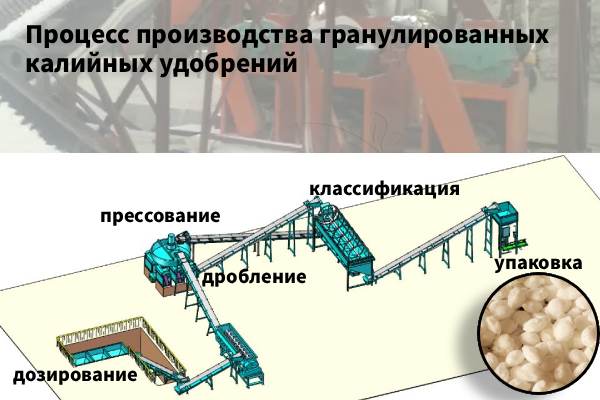
The customer specified a requirement for the sales market. The company required granules with a narrow size distribution. The company also recorded the target at a fraction of 2–4 mm, that's why the team laid down the link "dosing - pressing - crushing - classification". We have included units for precision feeding of the roller press, because the uniformity of the layer affects the shape and density. We have agreed on the granulation technology taking into account the salt nature of the product. Technologists have added temperature control in the pressing zone, as well as control of the moisture content of raw materials before feeding.
The line received a screening module with several sieves. It separates the standard fraction of 2–4 mm and returns fines and grains. The closed-loop return circuit stabilizes the yield and reduces losses. A separate crushing unit regulates the amount of coarse fraction and reduces the load on the sieve. We have introduced clear control points. Operators check humidity, bulk density and dust fraction. The customer received batch repeatability, as well as convenience for export packaging. This approach supports potash fertilizer production with predictable parameters from shift to shift.
How are raw material moisture control and dust removal organized?, to reduce caking and ensure a clean workshop?
The Belarusian site worked with raw materials, which changes humidity according to the seasons. Therefore, we jointly agreed on potash fertilizer production and raw material moisture control as a key point. We offered incoming inspection by batch, as well as online measurement in the flow in critical areas. The technological diagram included an air conditioning unit. It equalizes the humidity before the roller press. This unit reduces the risk of sticking and reduces fluctuations in granule strength. We have also agreed on the humidity range for the warehouse and for the feeders. The customer’s laboratory received the sampling method and frequency.
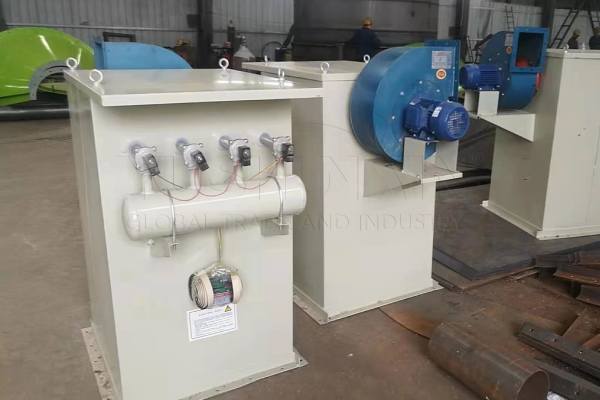
Dust and fines affect the safety and quality of packaging. Therefore, the team established local aspiration points on the embankments, crushers and sieves. The bag filtration system removes the load from ventilation and returns the captured product to the cycle. This organization supports a closed return loop and reduces waste.. We also discussed corrosion protection on gas ducts. Salt spray accelerates wear, that's why we selected materials and service regulations. Separately, experts prescribed rules for storage and anti-caking additives. They help with long-term maritime logistics. As a result, the customer receives a cleaner site and a more stable product, as well as controlled indicators within the framework of potash fertilizer production.
How a turnkey project, automation and service help maintain the price per ton and increase the strength of granules?
The customer assessed not only the price of the line, but also the cost of ownership. Therefore, the discussion included potash fertilizer production, turnkey project, cost and launch timing. We have compiled a list of equipment. He turned on the dispensers, roller press, crusher, screens, transport, aspiration, control cabinets and metal catchers. The team agreed on the layout for the existing building and service routes. Designers checked access points and locations for roll replacement. This approach reduces downtime and reduces the risk of personnel errors.
Automation helped maintain recipe stability. PLC records the consumption of raw materials, drive currents and roll speeds. The operator sees alarms for overload and humidity deviations. We have also implemented regulations for setting the gap and pressure. They directly affect the strength of the granules; how to increase them without wasting energy?. Return work is also important for the quality of granules.. Therefore, the controller takes into account the share of return flow and maintains the balance of flows. The customer received checklists for start-up and shift setup. The service team agreed on spare parts and replacement intervals. This format helps stabilize output and supports potash fertilizer production while export volumes grow.
In conclusion, the project provided a clear cycle from raw materials to packaging. The customer received the technological scheme, training and service support. We can offer various solutions for granulation and packaging, as well as for aspiration and automation. The company relies on experience of implemented projects and to a sustainable supply chain. If line selection and configuration calculation are required, You can contact us for advice and purchase.
Get a free offer during 24 Hours!