

In modern agriculture bentonite application has become an important means of increasing fertilizer use efficiency and improving soil structure. Thanks to its unique adsorption properties and slow release, Bentonite is often used as a fertilizer carrier and conditioner. Provide plants with a continuous and stable supply of the nutrients they need. When developing fertilizer formulations, the scientific addition of bentonite not only helps improve the physical properties of the fertilizer, but also increases plant resistance to stress factors and productivity. We offer four composition options for your review., to help you produce high quality fertilizers.
Formula for the production of complex slow-release fertilizer using bentonite.
Typical Ratio (on 1000 kg):
- Nitrogen source (N) (For example, urea, Ammonium sulfate): 200-250 kg
- Source of phosphorus (P2O5) (For example, Monoammonyfosphate): 100-150 kg
- Source of potassium (K2O) (For example, potassium chloride, potassium sulfate): 90-120 kg
- Bentonite: 100-200 kg (10-20%)
- Organic matter (For example, humic acid, sodium humate): 50-100 kg
- Microelements (For example, zinc, Iron, the brown): corresponding quantity
- Other Supplements (For example, granulation binder, sustained release agent): corresponding quantity
Process description: First mix the fertilizer raw materials thoroughly. Then mix thoroughly with bentonite, organic matter and additives. Finally, Granulate, dried and sifted using a granulator to obtain the final product.
Formula for bentonite organic-inorganic complex fertilizer.
Typical Ratio:
- Organic fertilizers (For example, well rotted chicken manure, remains of mushrooms, etc.. e in.): 40-60%
- Bentonite: 10-20%
- Inorganic nutrients (nitrogen, phosphorus, sources of potassium): 20-30%
- Trace elements/humic acid, etc.. e in.: 5-10%
Features and Application: Bentonite promotes the slow release of nutrients from organic and inorganic fertilizers. Improve the physical and chemical properties of the soil. Suitable for fruit trees, vegetables, field crops, etc.. e.
Use of Bentonite as Urea Coating and Sustained Release Agent.
Recipe structure:
- Urea: 85-90%
- Bentonite: 8-12%
- Appropriate amount of granulating binder or sustained release coating material
Process Tips: Mix bentonite with urea or use coating process. This will coat the urea particles with bentonite, prolonging the rate of dissolution and release of urea.
Formula of mineral organic fertilizer based on bentonite.
- Plant and animal organic matter: 45%
- Bentonite: 15%
- Complex microbial inoculant: 2%
- Urea (or other nitrogen source): 5%
- Potassium and phosphate fertilizers: required quantity
- Others (For example, sodium humate, mineral powder, straw, etc. e in.): required quantity, so that the total content is 100%.
What should you pay attention to when using bentonite for fertilizer production??
- Bentonite dosage: We usually recommend 10-20%. Excessive amounts of fertilizer may affect the speed of its action.. Concentration that is too low does not promote sustained release and granulation.
- Bentonite quality: Use sodium or calcium based bentonite, free of impurities and harmful components, highly active.
- Thorough mixing: Make sure, that bentonite is fully mixed with nutrients and auxiliary materials to improve the effectiveness of the fertilizer.
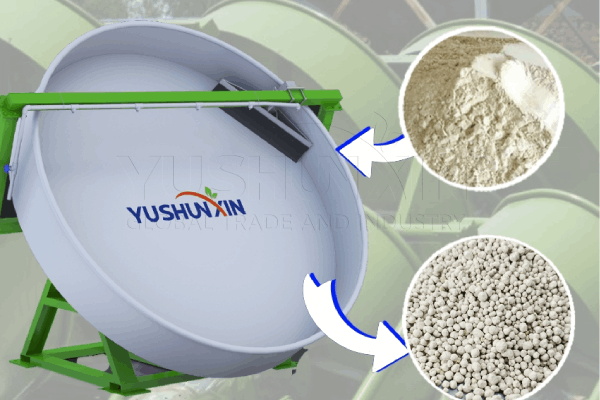
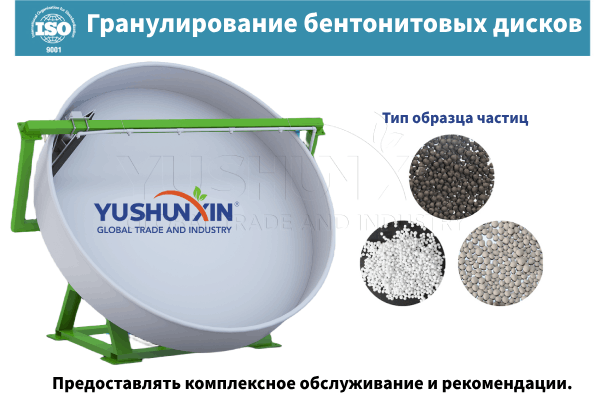
- Process selection: Granular fertilizers are usually produced using disc fertilizers., drum or two-roll granulators. Powdered fertilizers can be mixed and packaged directly.
- Formula optimization: bentonite to nutrient ratio can be adjusted depending on crops, soil type and fertilization purposes.
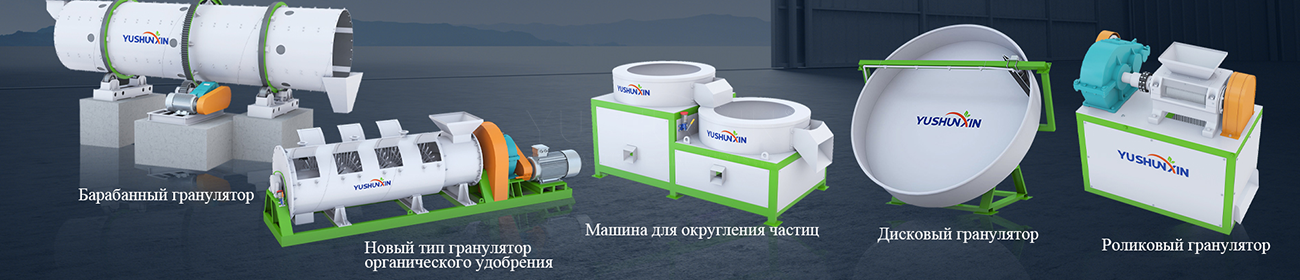
Use of bentonite for fertilizer production not only improves the physical and chemical properties of fertilizers, but also increases productivity and soil quality. If you are interested in the production of bentonite fertilizers, we can provide you with efficient and stable bentonite granulation equipment. We also offer customized Fertilizer solutions, tailored to your specific needs. For more details contact us!
Get a free offer during 24 Hours!